
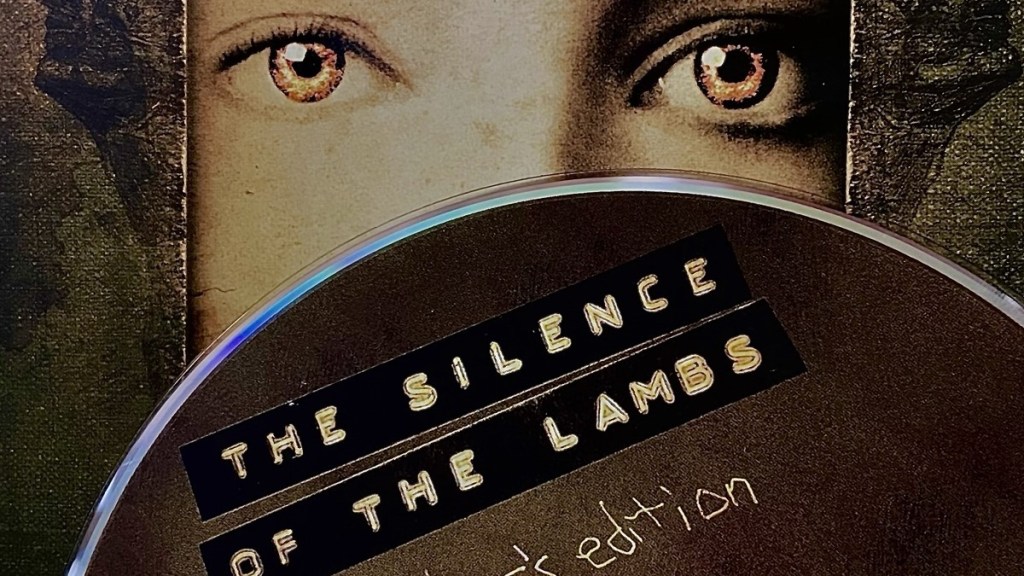
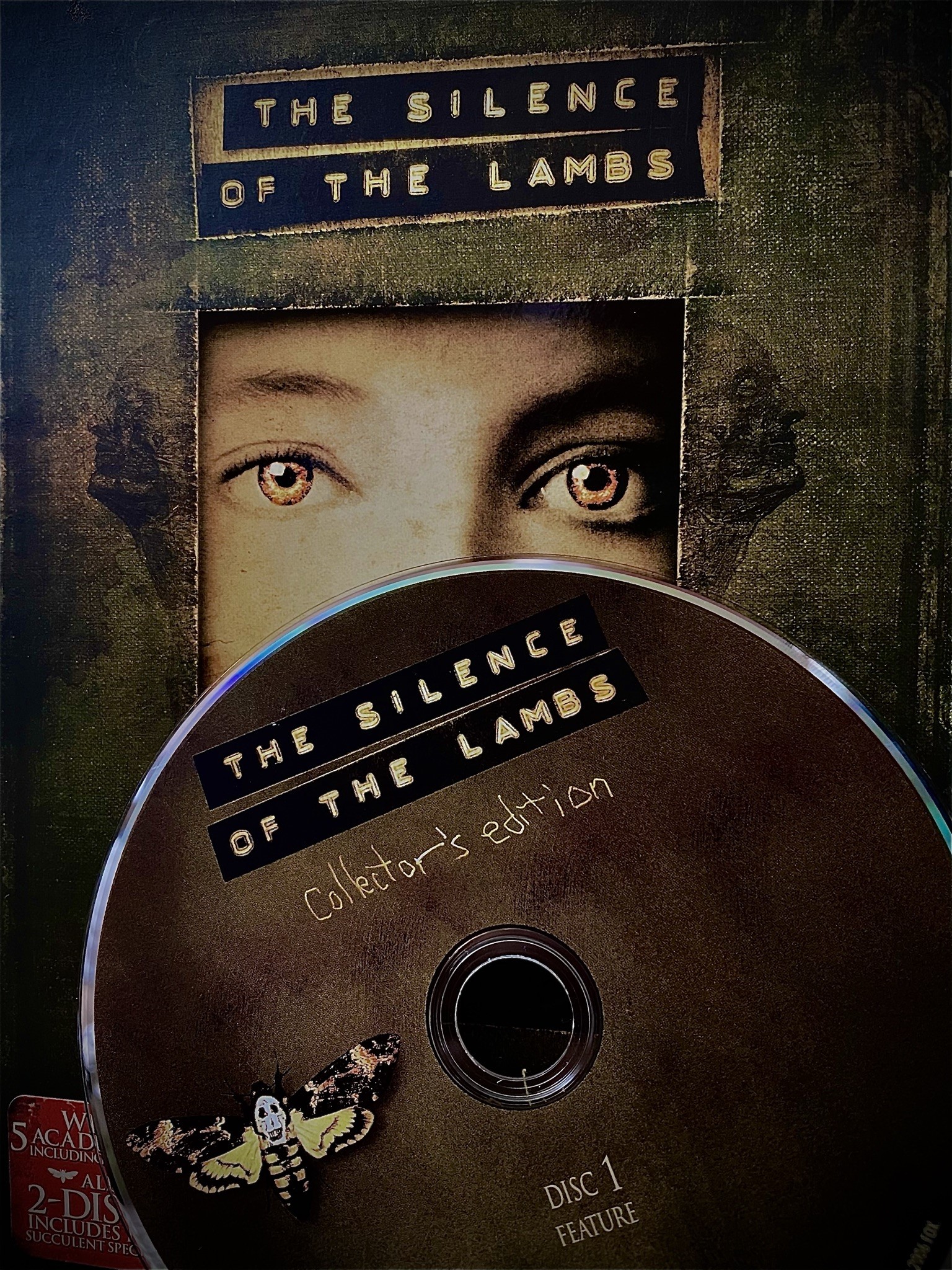
Sitting at 74 on the AFI Top 100 is The Silence of the Lambs. This is a film that devours your attention with some fava beans and a nice chianti and leaves you hungry for the next chapter.
Watching this movie is like jumping into deep water. You may be a capable swimmer, confident in your abilities, but the watery blackness below hides many terrors. The first plunge into that unknown pushes you beyond your comfort zone, and you feel that tickle up your spine that sparks your heart and radiates across your nervous system. That feeling is the first twinge of fear. Despite the unease, you keep going while the water gets colder and darker. Nothing bad has happened thus far, so you become more comfortable, and optimism for good things ahead creeps back in. Then, you feel something brush against your leg.
Startled, your bearings are lost in the darkness, not knowing which direction leads to the surface and which sinks further into the black depths. Still, you have to make a decision, so you go. The uncertainty brings more fear and despair. You are really out of your depth now; the environment is winning, and the concern previously trickling through your body is now a thunderous pulse of terror, arresting your ability to breath. Hope is gone.
Then, miraculously, you break the surface of the water. Your body is consumed by light from the world, and you inhale a deep, calming breath that can erase the physiological artifacts of your experience but not the memory.
Creating that experience is Jodie Foster in one of her most iconic roles and Anthony Hopkins as the brutally calculating and sinister Hannibal Lecter, a role that defined his persona for multiple generations. I also can never look at Ted Levine without thinking of Buffalo Bill. These are terribly wonderful, engaging characters.
Clarice Starling (Foster) is green yet confident, playing a vital role in the film’s events while seemingly only hanging on for the ride as those around her pull the strings. Lecter is perpetually calm with each move a calculated flourish of sophistication and psychological gameplay. His emotions are expressed by whichever part of his face is not covered or bound. There are moments where his eyes go dead and his mouth becomes the focal point, or his mouth is masked while his eyes burn with the conveyance of every thought and anticipatory action. Buffalo Bill is the embodiment of a singularly focused murderer, and Levine gives him behaviors and quirks that looked disturbingly natural, as if they had existed since birth. Bill scared you but differently from Lecter. Where Lecter was practiced and calculating, Bill is planned but in less control, which feels more unpredictable despite knowing Lecter can manipulate people and situations to fit his sinister plans. Evil engulfs the viewer and strangles away the fading breaths of hope.
The Silence of the Lambs is a moody film with camera work that bounces between intimacy while emphasizing thought and emotion, to stepping out to encompass the action. Still, as a viewer, you are never given many clues about what is around the corner; everything is tightly framed to only show what is needed. One of the key attributes of any film, the sound here is of great importance. From ambiance to absence, the film’s soundscape plays as vital a role in setting the mood as the visual cues. My favorite example is how Lecter’s prison wing rumbles with a menacing growl to create a cold and hollow environment for those within.
For me, this movie is a masterpiece thriller that gave a physical presence to one of cinema’s most dangerous and interesting villains. Admittedly, this is a movie that makes you feel uncomfortable and a little scared throughout. It gets two thumbs up for making me feel exhilaration, fear, and relief in a tidy two-hour package.
 HobbyScope