
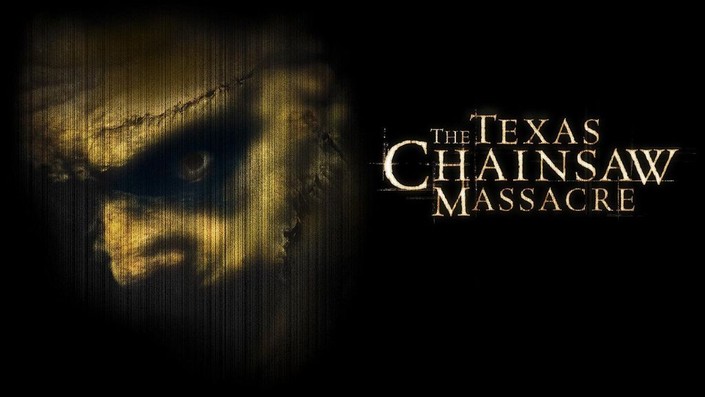
God forgot to bless this part of Texas.
About a 6-minute read
The inescapable heat invaded every corner – there was no escaping its oppression. The passing breeze offered no solace, only bringing more warmth to assault the teens as they wearily stumbled through brambles and the occasional husk of abandoned machinery. Their world had been undone by trauma, and now they only sought an exit back to a civilization they perceived as carefree with long futures spread out before them. One wrong turn, however, unraveled their sanity and camaraderie. Now, the group was being hunted, and every time they felt salvation was nigh, their pursuer’s allies, dressed in sheep’s clothing, thrust them back into the nightmare’s clutches. Exhausted and cracking with despair, the teens stopped to settle their senses and assess the situation. As they looked solemnly at one another, almost accepting a fate beyond the thought of possibility, they heard the approaching rattle. It was the steady hum of a motor that iced their blood and ignited panic. They ran and weaved, not knowing which direction would birth an escape. Their race was never fast enough nor in the right direction. The teens eventually came across a dark, ramshackle cabin and rushed inside, undertaking the impossible task of simultaneously catching their breath while remaining silent to avoid discovery. As the mechanical rumble approached, whimpers and frantic breathing disrupted the relative quiet of the cabin’s interior. Then, as if the world was suddenly muted, the teens no longer heard the approach of their pursuer. Relief washed over the group and one after another they allowed a deep exhale in celebration of the first good fortune they had encountered all day. Now, instead of despair, their shared glances were punctuated with hopeful smiles. That hope was instantly slaughtered as the demon burst through one of the cabin’s rotting walls and revved the chainsaw whose sound had haunted them all day. As they screamed, the teens got a clear look at their attacker for the first time. He was massive with unkempt hair and unnatural movements. Most terrifying of all, however, was his mask. It was a leathery homemade cover that bore an uncanny resemblance to their friend who had gone missing only hours earlier. It was death’s mask, and death had come calling.
My introduction to The Texas Chainsaw Massacre (TCM) came from the 2003 version, and if you read my piece on Sleepy Hollow, you know this movie, for whatever reason, unlocked my interest in the horror genre and my ability to willingly sit down and consume it. I’ve no explanation why, but it must have come along at the right time and the switch just flipped. There is nothing particularly special about 2003’s TCM that makes it noteworthy or original. It’s just one of those films that hits the right notes at the right time. Now, perhaps shamefully, I must admit I’ve never seen the 1974 original or 2022’s Netflix release, so I won’t try to compare the merits across these films since I am obviously unqualified to do so. I will, however, look at what makes the 2003 version a fun rewatch in 2025, especially as we countdown the days to Halloween.
For me, horror movies are all about style. If there’s a good look to a horror flick, it doesn’t need to rely on gimmicks to build tension and create a frightening atmosphere. The Texas Chainsaw Massacre effectively creates the 70s look and establishes atmospheric isolation while adding just enough modern (2003 modern anyway) polish to give the film a crisp enough look to ensure the viewer is able to fully absorb the action and imagery. And despite Michael Bay producing, there’s no unnecessary gloss; this movie maintains its gritty and grimy feel throughout. Some of that is likely aided by viewing TCM on DVD, but even then, I’d say kudos to that medium for perfecting the aesthetic. The fantastic set and lighting design really shines with the Hewitt farmhouse where Leatherface conducts his, um, business. The house has a unique facade that creates a recognizable look and, when backlit at night against a foggy backdrop, is a perfectly curated “monster” house – you just know there’s evil within. The sights and sounds expertly set up the world of TCM to be a harrowing land of horror for the poor souls who enter.
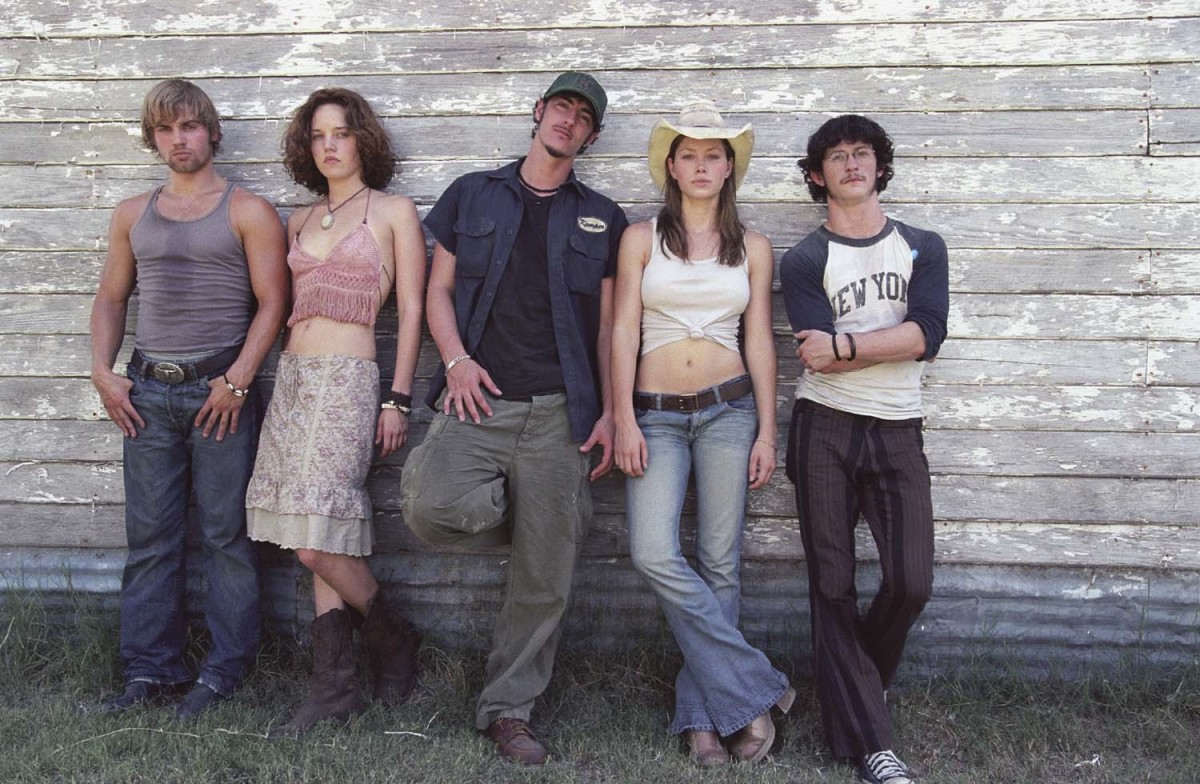
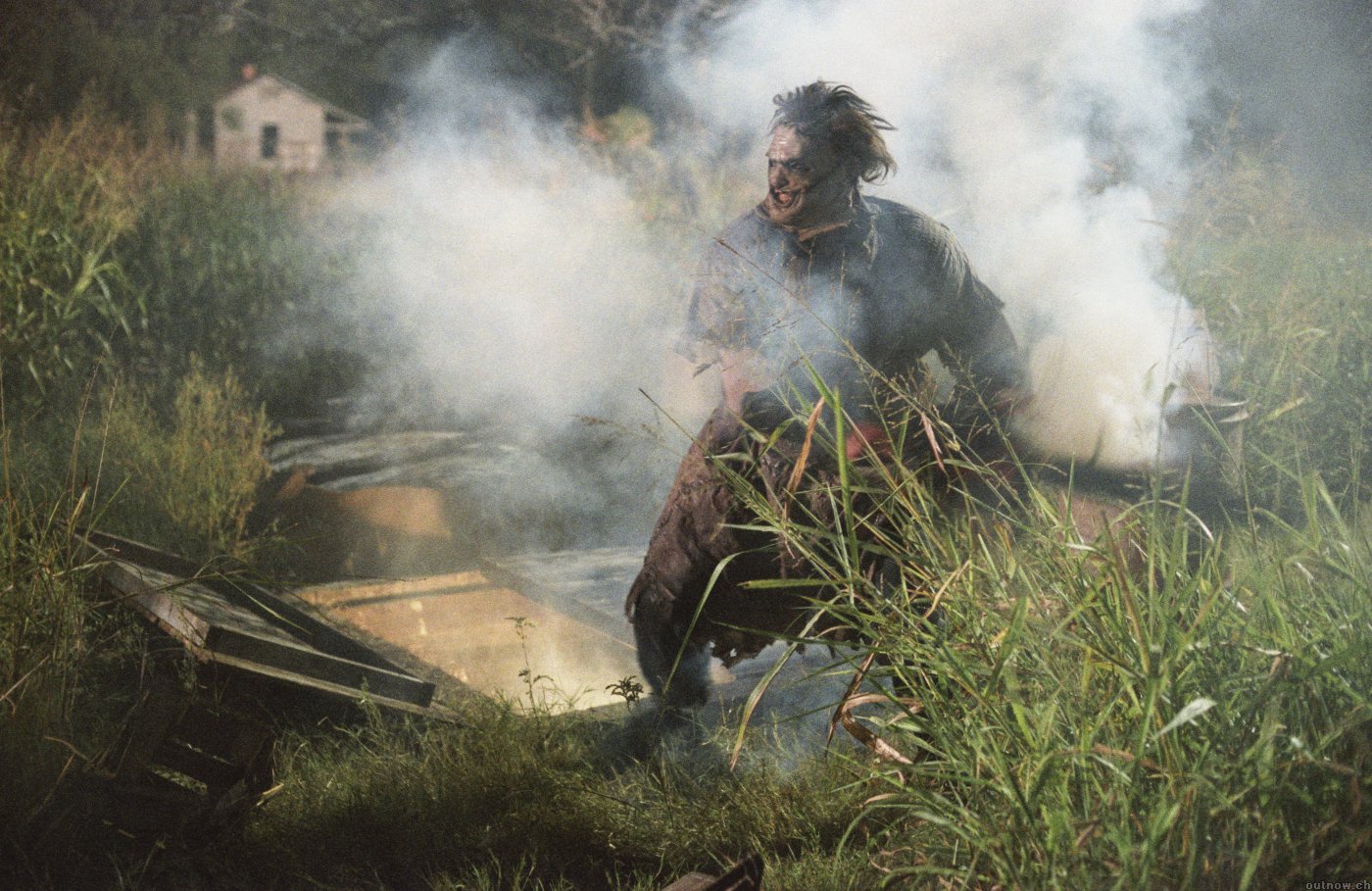
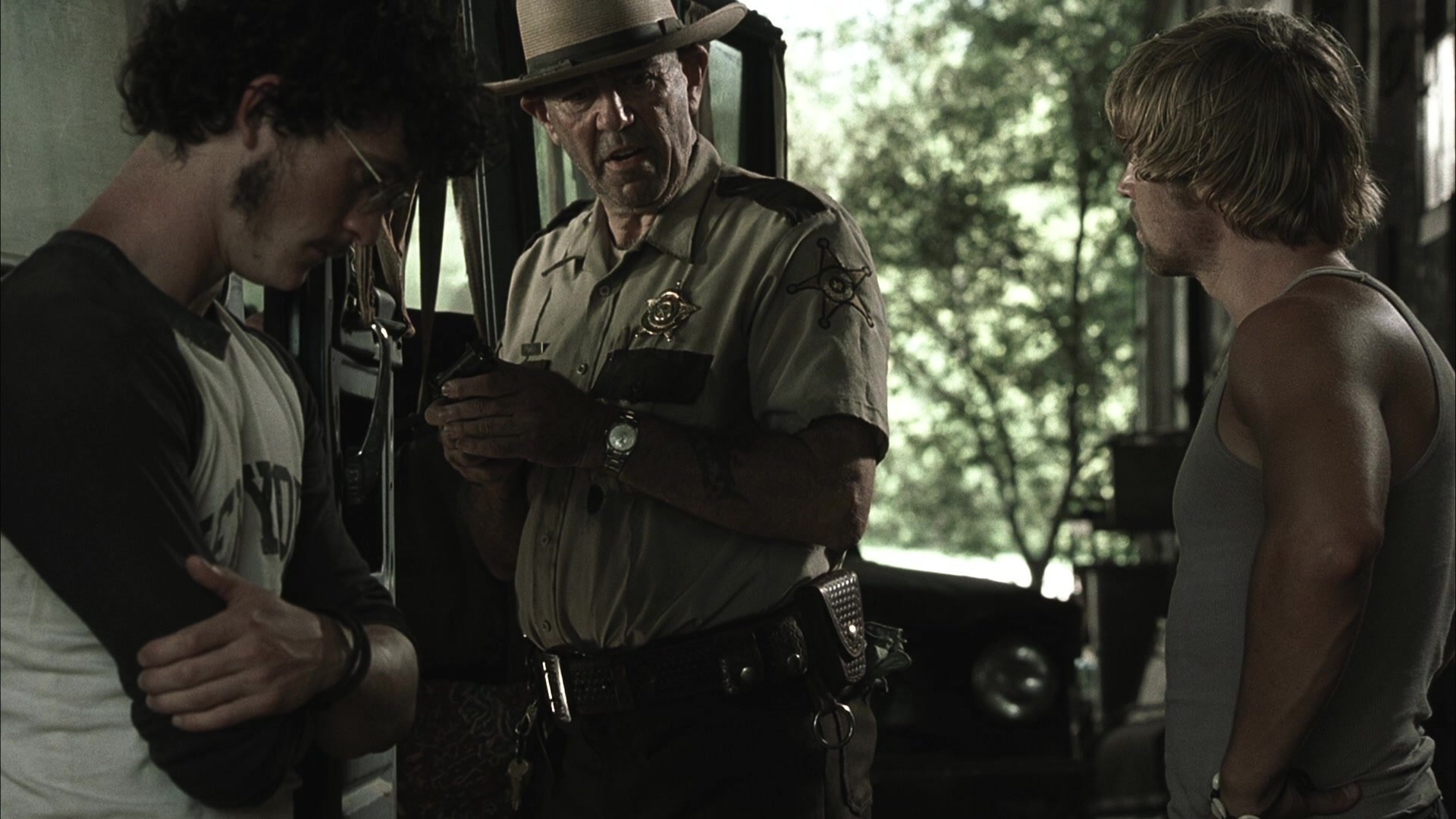

Let’s talk about those poor souls. While there are recognizable faces, there are probably only a couple recognizable names. Jessica Biel and Eric Balfour headline a group of young concertgoers who stop to help someone in distress and end up trapped in hellish backcountry. They’re the typical lot faced with terrible to worse decisions whose hope for survival rapidly descends into a frenetic cat-and-mouse as they get picked off one by one. Then there is R. Lee Ermey, who is magnificent as the dubious sheriff. You know straight away he’s not quite right, and the complete disregard for doing anything by the book shows there are ulterior motives beyond upholding the peace. Ermey’s scenes are arguably the best in the movie if you can stand his character making your skin crawl. After the viewer is introduced to the array of characters complicit in the murdering, Leatherface feels like one of the least-evil characters, coming off more as a mindless tool of death (which, admittedly, is still not good) rather than a plotting trapper of the innocent like those around him.
Rotten Tomatoes has this version of TCM at 37% rotten with audience approval at only 58%, so it does not register as a highly recommended movie. In fact, the critics’ consensus is: “An unnecessary remake that’s more gory and less scary than the original.” Yes, it probably is an unnecessary remake – I think most are. When I originally watched the film, however, I had some good jump scares. Those don’t necessarily exist today, but then I don’t think TCM is intended to provide scares at every turn. This is good situational horror. It’s “picking up a hitchhiker” gone wrong. It’s “wrong place at the wrong time”. The victims end up isolated in an area where everyone and everything works against them, and the only accessible institution to help them is untrustworthy. The murder and gore are secondary. The greatest horror of The Texas Chainsaw Massacre is being trapped with seemingly no way out and no way to end the stress of walking the knife’s edge between life and death. While jump scares come and go, psychological terror sticks, and if a movie sticks with me after the credits, then I have to think it did something right.
 HobbyScope
One response to “Saturday Morning Cinema – The Texas Chainsaw Massacre”
[…] and they’d be wiped from existence without anyone knowing their fate. The situation is similar to The Texas Chainsaw Massacre and its use of situational and surrounding horror. Attempting to run away is risky, and even if […]